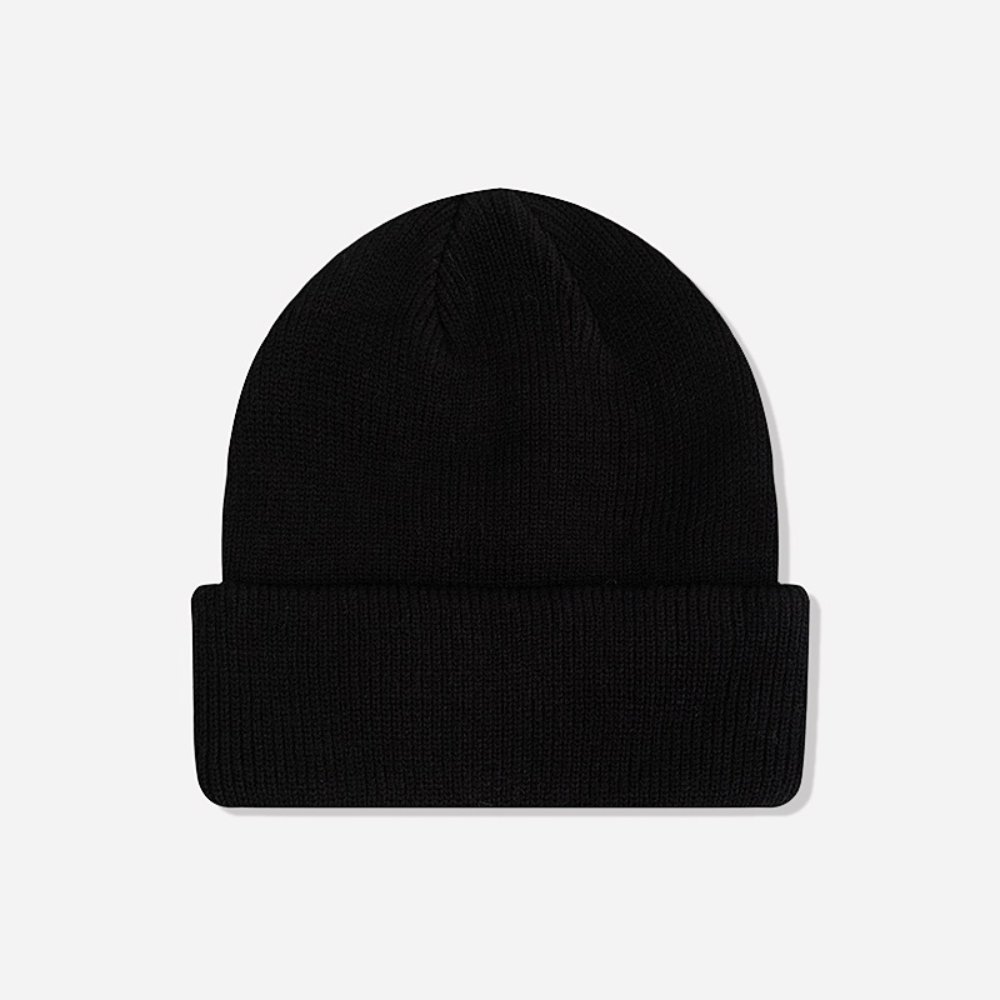
When enquiring about Yingteng’s Double-layered cap, keep its published 24 × 26 CM packaging dimensions separate from hat measurements and outer-carton information. The page also lists a weight of 94 g without defining whether it is the hat alone or a packed unit. A useful RFQ asks the supplier to name the packing unit, explain both dimension axes and identify the weight basis. This turns two catalogue figures into clear quotation questions.Official black cap appearance reference; the photograph is not a packing measurement diagram.Keep the original fields visibleThe Double-layered cap listing places three facts beside the product: Material: 100% acrylic; Packaging dimensions (CM): 24*26; Weight (g): 94. Record those as supplier catalogue statements. For a wholesale knit hats enquiry, their value lies in identifying what must be clarified before the purchasing team compares packing proposals.The 24*26 entry contains two numbers. It does not name a thickness, state a three-dimensional carton size or give the number of hats packed together. It should therefore remain a two-dimension packaging entry in the initial RFQ. Do not rename it “hat height and width” or use it as a head circumference merely because the product is a cap.Ask for a completed packing recordUse this double-layer cap packaging dimensions enquiry table to request a response. It distinguishes the published entry from the information your supplier still needs to provide. The blank questions are purchasing requirements, not additional product specifications.Field | Published reference | Requested responsePacking dimensions | 24 × 26 CM | Name both axes and the item being measuredUnit content | Not defined by these figures | State hats per individual packing unitListed weight | 94 g | Identify hat-only or packed-unit basisOuter carton | Separate request | Return carton quantity, dimensions and weight basisIf the supplier explains that 24 × 26 refers to an individual bag, place that response beside the exact bag specification. If it refers to another unit, preserve that description instead. The important step is receiving a named unit rather than selecting the interpretation that seems most convenient.Separate product dimensions from packing dimensionsOfficial alternate colour appearance of the listed cap; no sizing or packaging axis is inferred from the image.A buyer who also needs fit information should request a separate cap measurement sheet. Ask the supplier to define the opening measurement, crown reference points and the condition of the folded cuff. Keep that sheet under a product-dimensions heading. Doing so prevents a packaging rectangle from becoming a size chart in an internal product database.Likewise, request a marked packing photograph if your warehouse needs to understand the two packaging axes. The supplier can identify the measured edges and the contents inside the package. Save this response with the version quoted, so the warehouse and purchasing team refer to the same packing arrangement.Clarify the 94 g entry before calculating totalsFor a Double-layered cap weight basis RFQ, ask what is included in the 94 g value. The reply should distinguish the product from any individual packaging or other included items. Keep the listed figure as the catalogue reference and add the supplier’s current offered value in another column, with its unit and date.Do not multiply 94 g into a confirmed shipment gross weight while the basis remains open. A carton record needs its own contents and packaging information. Ask for that record for your requested quantity and packing arrangement. This gives a freight discussion a defined starting point without inventing a carton count or transport charge.Official colour presentation board, used as a style reference rather than evidence of current availability or a required colour assortment.Send a concise, usable enquiry“Please quote the linked Double-layered cap for our stated quantity and selected appearance. Please explain the packing unit and axes behind the 24 × 26 CM entry, identify what the 94 g weight includes, and provide the proposed outer-carton packing record separately.” Add your own destination and quantities. Ask any proposed packing change to be shown as another option rather than silently replacing the original proposal.• Identify the product page and selected cap appearance.• Keep product, individual packing and carton fields in separate rows.• Save the supplier’s measurement definitions with the quotation revision.• Review the offered packing sample before adopting its figures internally.Use Yingteng’s contact page for the request. Other styles in the hat catalogue should retain their own packing references. The figures discussed here are supplier-listed references, not independent measurements, fit assurances or shipment commitments.Frequently asked questionsIs 24 × 26 CM the size of the hat?The page labels it packaging dimensions. Ask what packing unit and axes it describes; request hat dimensions separately.Does the listing give a carton depth?The displayed packaging entry has two dimensions. Request a separate complete carton record for the proposed order.Is 94 g confirmed net weight?The captured field says Weight (g): 94. Its inclusion basis should be clarified in the quotation.Can other cap styles use the same packing record?Ask for a style-specific response. Similar catalogue numbers do not establish identical contents or packing arrangements.Product and contact referenceshttps://ytknitwear.com/product/double-layered-cap/https://ytknitwear.com/contact/https://ytknitwear.com/products/
Get a Free Quote
Fill in the form and we'll get back to you within 24 hours.
✅
Thank you!
We've received your inquiry and will reply within 24 hours.