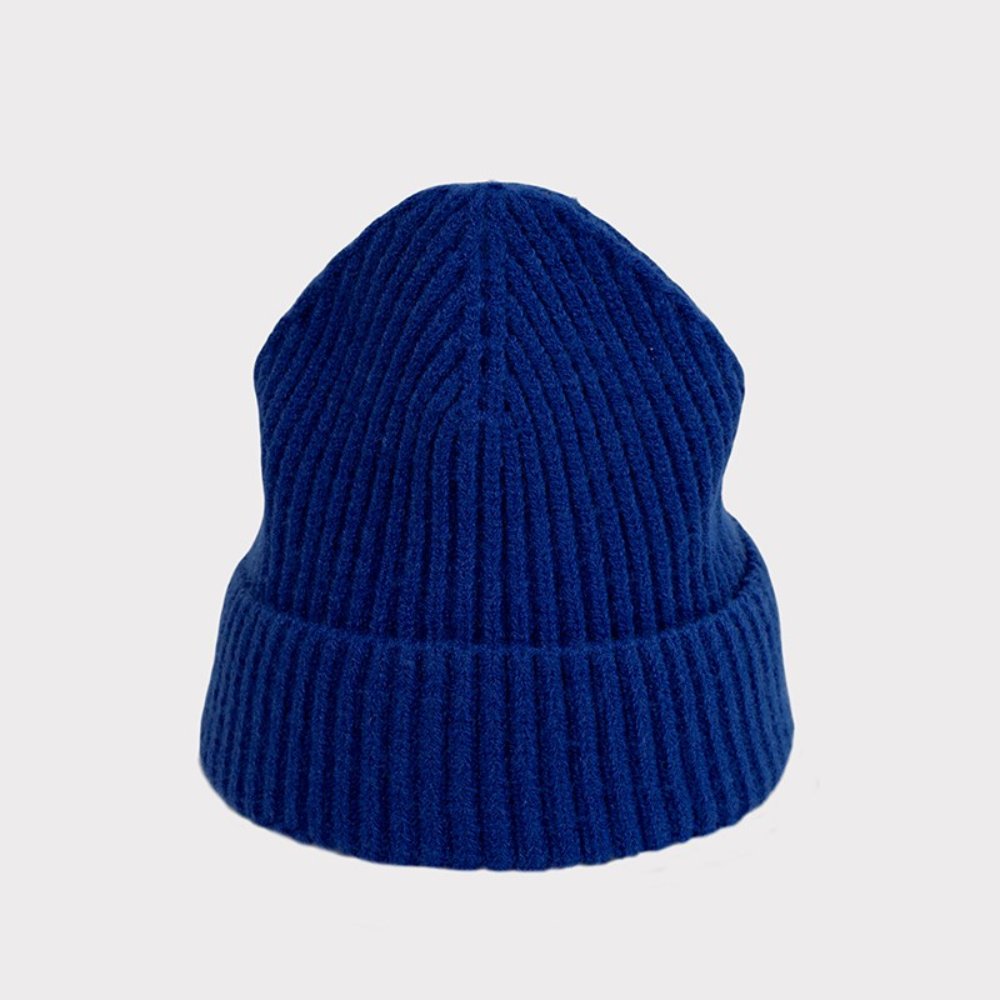
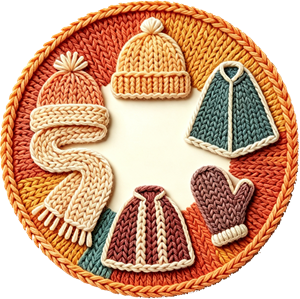
For Yingteng’s Drawstring Cap, request a complete fibre declaration before treating the published “42% Acrylic” entry as a finished material specification. Ask which part of the product the percentage covers, which other fibres are included and which identified sample the declaration describes. Keep the supplier’s original wording beside the completed response. This provides a usable material record for wholesale knit hats without guessing the missing composition from the hat’s colour, texture or catalogue name.Official Drawstring Cap appearance reference. Visible ribbing and texture do not identify the complete fibre composition.Start with the exact material entryThe Drawstring Cap page lists Material: 42% Acrylic, Packaging Dimensions (CM): 24*26 and Weight (g): 85. The material entry is the starting point for this enquiry. Preserve the number and fibre name exactly; do not round it to an all-acrylic description or borrow a complete composition from a similar-looking hat elsewhere in the catalogue.A supplier can answer the gap efficiently when the question is specific. Ask for every fibre name and percentage on the same declared basis. Also ask whether that basis covers the main knitted body, a particular component or the entire offered product. Until that scope is defined, a buyer should not simply assign an imagined remaining percentage to wool, polyester or another fibre.Send a complete declaration requestUse this Drawstring Cap fibre composition enquiry table when requesting the material record. It keeps the source statement, missing information and sample identity together. The supplier’s response should be attached to the offered version rather than filed as a general statement about all knitted caps.Record field | Current reference | Ask the supplier to completeListed material | 42% Acrylic | Confirm the current offered declarationOther fibres | Not named in this entry | Return each name and percentageDeclaration scope | Not specified beside the percentage | Identify the covered product or componentSample connection | Drawstring Cap product page | Give sample identification, colour and revision dateIf the completed declaration describes one blend, check that its percentages form a coherent whole on the stated basis. If separate components have separate declarations, keep them on separate rows. Do not add percentages from different components into one combined formula. Ask the supplier to clarify any unexplained total before the record is used for product information.Keep the document tied to the sampleOfficial front reference for connecting the named style to a sample request, without assigning material properties from its appearance.Request the declaration with an identified physical sample. Put the product link, supplier’s style name and selected appearance on the sample sheet. When the supplier sends a material response, add its date and the sample reference to that same sheet. This makes it easier for a buying colleague to find the relevant answer without relying on a photograph alone.If the supplier proposes a different yarn option, give that proposal its own line and request its composition separately. A substitute should not inherit the first sample’s declaration automatically. Keep the original selection and the proposed replacement visible until your purchasing team records which offered version it wants.Separate appearance choice from material approvalThe gallery presents the Drawstring Cap in blue and shows other coloured appearances on a catalogue board. Use those pictures to identify the cap being discussed. Ask whether your selected appearance uses the same declared composition as the returned sample. A multi-colour presentation does not by itself establish current stock, a mandatory assortment or identical material declarations across every offered version.Official style-and-colour presentation board; request the offered material statement for the specific selection.The 42 percent acrylic cap material declaration is a supplier statement to complete, not a basis for promises about warmth, pilling, stretch recovery or care. Any performance or care information needed for your product file should be requested separately. Likewise, the page’s packaging dimensions and 85 g weight do not fill gaps in fibre composition.A short message your supplier can answer“For the linked Drawstring Cap, your page lists 42% Acrylic. Please return the full fibre names and percentages for the offered version, identify the product or component covered, and connect the declaration to our selected sample. If you propose another yarn option, please list it separately with its own composition.” Add your chosen appearance and requested sample quantity.• Save the original 42% Acrylic wording.• Request full fibre names, percentages and their scope.• Link the response to an identified sample and date.• Approve alternative material proposals as separate selections.Send the knit hat component fibre breakdown RFQ through Yingteng’s contact page. Keep other styles from the product catalogue on their own material records.Frequently asked questionsDoes 42% Acrylic mean the cap is entirely acrylic?No complete all-acrylic declaration is supplied by that entry. Ask for the full breakdown and its scope.Can I calculate which other fibre is present?Arithmetic cannot identify an unnamed fibre. Request its name and percentage from the supplier.Should different components share one percentage row?Keep each declared component and its basis clear. Ask before combining separate component statements.What if the proposed material changes after the sample?Request an updated declaration and sample reference for that proposal, then record a separate selection decision.Product and contact referenceshttps://ytknitwear.com/product/drawstring-cap/https://ytknitwear.com/contact/https://ytknitwear.com/products/
Get a Free Quote
Fill in the form and we'll get back to you within 24 hours.
✅
Thank you!
We've received your inquiry and will reply within 24 hours.