
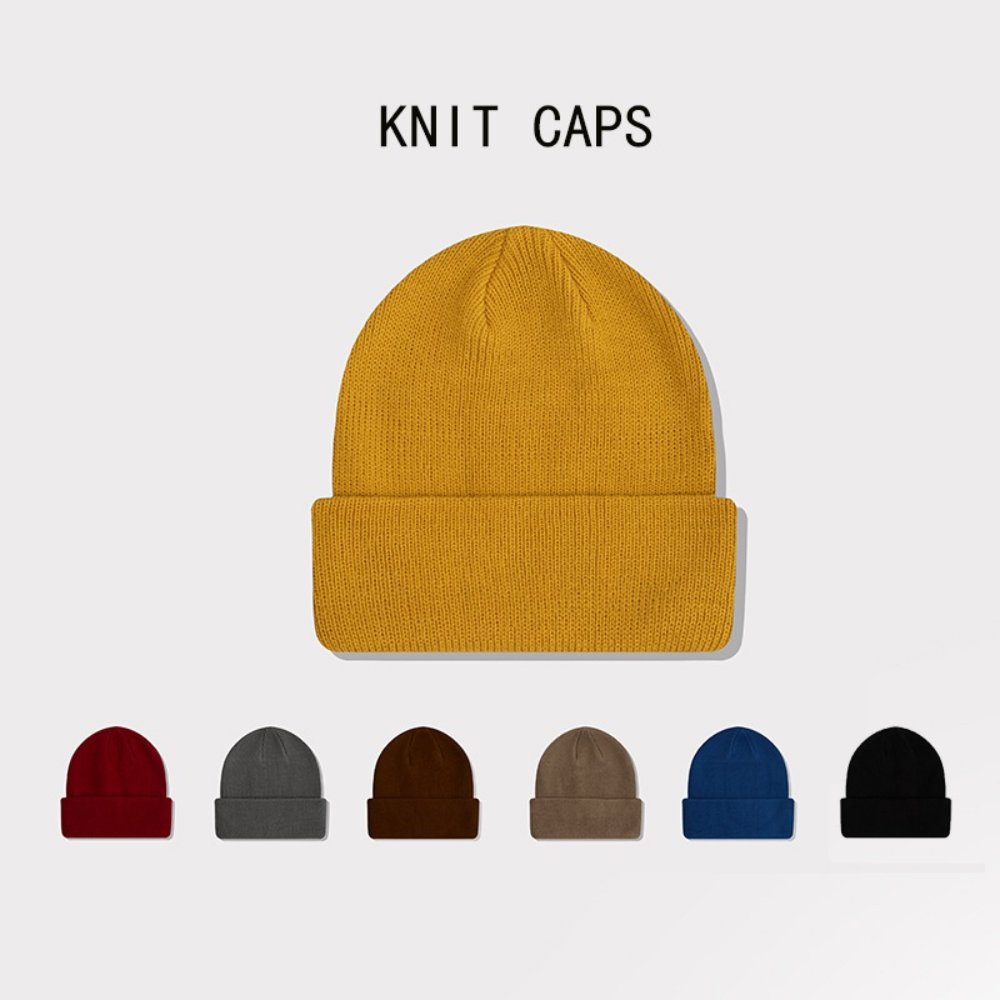
Double-Layer Caps: Define the Layer Scope
What should a double-layer cap enquiry clarify? Ask the supplier which regions and construction its double-layer wording covers on the actual offered cap. Request identified inside, outside and relevant joining details. The catalogue name supplies a product reference. A folded cuff or an opaque front photograph does not establish the number of layers throughout the crown, the joining method or a thermal result.
Official catalogue composition. It identifies the cap family but does not show hidden layers, confirm every offered colour or establish a warmth result.
Start from the named double-layered cap
The Double-layered cap listing declares 100% acrylic, packaging dimensions of 24*26 cm and a weight of 94 g. Retain those supplier catalogue entries with the selected product. None provides a complete description of the cap’s internal layers or their construction scope.
For buyers sourcing wholesale knit hats, the word double-layer can raise a specific construction question. Ask the supplier to identify the actual offered version and explain what it means on that item. Keep the explanation separate from the packing entry and the garment-opening measurements requested in earlier enquiries.
Identify the regions covered by the wording
Ask the supplier to mark the crown, cuff and any other relevant region on a complete cap reference. Request a clear statement of which regions its layer description covers. A visible fold can create an overlapping appearance at the cuff without explaining the construction elsewhere.
Keep the supplier’s region names beside the marks so a later reviewer can locate the response. If a region is outside the stated scope, retain that distinction. Do not extend a confirmed cuff description to the complete crown or assume that every catalogue colour and offered version shares the same internal arrangement.
Official front reference. A folded cuff and opaque surface do not define the internal construction throughout the crown.
Request the inside and joining references
Ask for an identified interior view and the relevant detail showing how the supplier describes the layers and their connection. Keep those views associated with the same offered cap and sample. A clear front photograph does not show hidden joints, the complete reverse or the construction at a closed crown.
Where the supplier uses a construction term, request its meaning for the actual proposal. Do not specify a separate lining, bonded interface, particular seam or removable layer unless the supplier identifies it. An unanswered internal feature should remain an open question rather than becoming an assumed part of the order.
Use a layer-scope response table
The worksheet collects supplier construction information. It is not a completed Yingteng manufacturing specification, an inspection result or a warmth rating.
Buying field
Requested supplier response
Offered cap
Exact product, selected gallery reference and proposed version.
Covered regions
Supplier-marked crown, cuff and other applicable positions.
Meaning of double-layer
Actual construction description and the regions it covers.
Inside and joints
Applicable interior and joining details linked to the identified sample.
Material allocation
Supplier declaration for any separately identified layer or component.
Open fields
Hidden or unprovided construction information and proposed changes retained separately.
Keep the fibre statement separate from the layer map
The catalogue material entry is a supplier fibre declaration. Ask which scope that statement covers if the supplier identifies separate construction components. A material name does not establish how layers connect, and a layer count does not establish a complete composition breakdown.
If the supplier proposes a different interior material or arrangement, record it as an alternative. Keep the initial declaration and construction response visible so a buyer can see which field changes. Do not carry the partial acrylic declaration from the separate Drawstring Cap into this model’s material schedule.
Separate official appearance. Ask which offered version and interior detail the supplier response describes; no measured fit or layer joining method inferred.
Review the actual sample without inferring warmth
If a sample is proposed for construction review, record its version and the interior or detail references used. State the regions actually observed and the supplier questions still unanswered. A photograph or appearance review does not establish the cap’s insulation, comfort, stretch recovery or suitability for a particular wearer.
Keep any required functional evidence under its own applicable scope. This enquiry sets no warmth value, test method or acceptance limit. The immediate deliverable is a traceable description of the offered layers and their construction, not a performance conclusion from the product name.
Retain changes with the current offer
If the supplier later changes the cuff, crown or internal arrangement, ask which earlier details remain applicable. Preserve the previous response as history and identify the updated cap version. A matching front outline should not silently carry an old interior specification into a different quotation.
Send the selected cap link and marked regions through Yingteng contact. Existing work resolves packing fields, head-opening measurement, partial fibre wording and visual motifs. The new record resolves the separate meaning and region coverage of the double-layer construction statement.
Buyer FAQ
Does a folded cuff prove two layers throughout the cap?
Ask the supplier which regions the wording covers. The front appearance does not establish the complete crown construction.
Does 100% acrylic describe the joining method?
It is a material declaration. Request the actual construction and component scope separately.
Can the Drawstring Cap response specify this cap?
Keep the models separate unless the supplier explicitly confirms an applicable shared detail.
Does the layer map prove a warmth result?
No performance result is established. It records the supplier’s construction explanation and identified sample scope.
Supplier response checklist
Actual product and offered version
Supplier explanation with named component and sample scope
Applicable documents, actual observations and unprovided fields kept distinct
wholesale knit hatsB2B supplier sample record