Leopard Knit Hat RFQs: Fix the Motif Reference
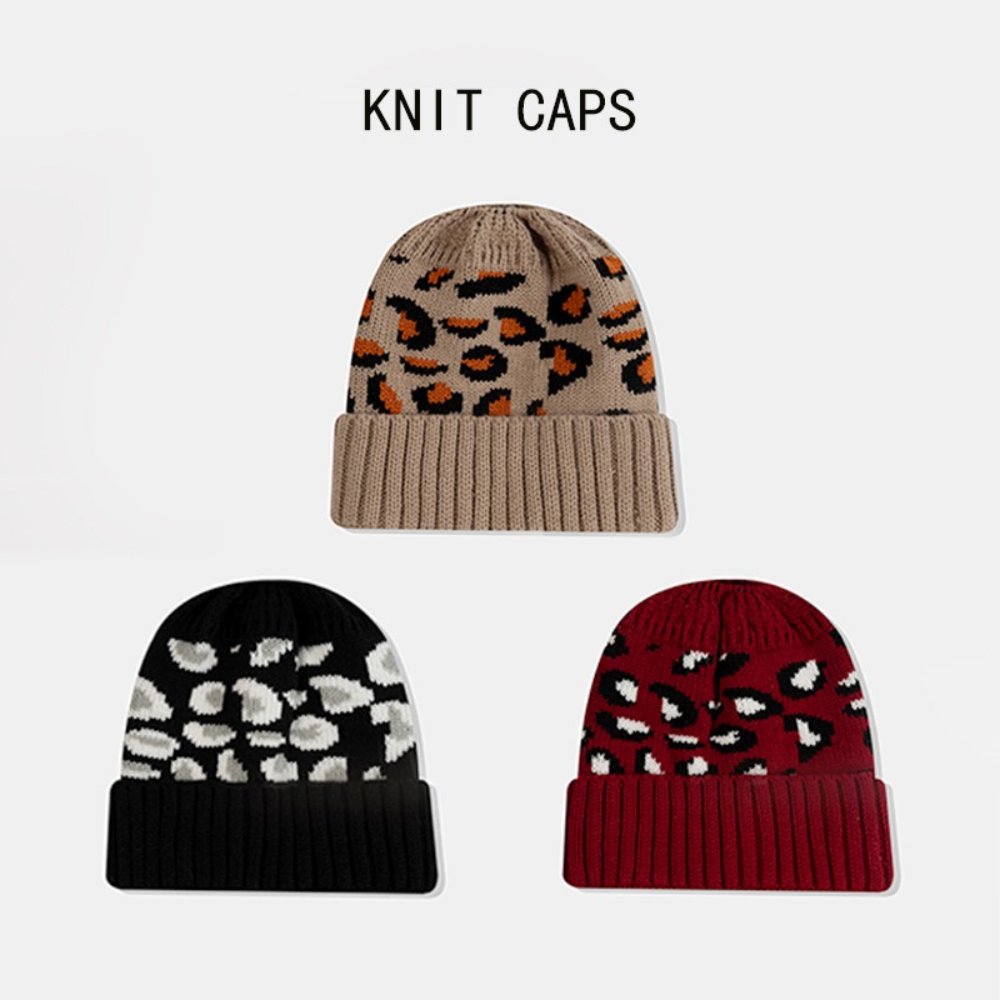
Leopard-design knit-hat catalogue references. Select a specific motif and colour relationship; this group image is not a confirmed supplied assortment.
For a leopard-design knit-hat RFQ, identify the selected motif reference before approving the sample. Record the ground colour, contrasting motif areas and the coverage expected at the cuff and crown. Ask the supplier to connect those details to an offered design code and a dated sample, rather than using the word leopard as a complete specification.
This is a useful purchasing task for wholesale knit hats because a familiar pattern name can cover different visual arrangements. Yingteng’s gallery shows several ground-and-contrast combinations and differently shaped marks. The buyer’s approval record should identify which appearance is intended and which supplier sample represents it, without turning the gallery into a promise of available colours or quantities.
Start with the actual catalogue product
The Leopard Print Perforated Design page places the product under Knit Hat and lists Material: 100% Acrylic, Packaging Dimensions (CM): 24*26 and Weight (g): 90. Keep these supplier catalogue fields separate from the motif-approval record. The packaging entry is not a pattern-repeat measurement or a hat-fit dimension.
Retain the product title as its catalogue identity. Its Print and Perforated wording does not provide a manufacturing method, hole specification or performance result. Ask the supplier for the offered construction where that information is required. This article concentrates on confirming the visible motif reference and its coverage on the actual proposed sample.
Describe the motif as well as the ground colour
Select an identified gallery reference and give it a buyer reference number. Ask the supplier for the corresponding offered design or colour code. Record the ground colour separately from the darker or lighter contrasting areas. Where a mark has more than one visible contrasting area, ask the supplier how those areas are represented in the offered design.
Approval field
Buyer reference
Supplier confirmation
Selected design
Identified catalogue image
Actual offered design code
Ground colour
Main visible field
Applicable colour reference
Contrasting motifs
Marked shapes and contrasting areas
Supplier motif reference
Coverage
Crown, cuff and other relevant regions
Offered placement scope
Sample version
Dated sample and image set
Version represented by the quotation
Keep the motif reference intact when discussing colour changes. A request for the same colour is incomplete if the proposed mark shape or arrangement changes at the same time. Ask the supplier to show the revised proposal and label it as an alternative, so purchasing can distinguish a colour discussion from a new motif decision.
Red-ground catalogue appearance with contrasting marks and a folded cuff. Ask the supplier to identify the corresponding offered motif reference.
Confirm the regions shown by the sample
The catalogue photographs show a patterned crown and a folded cuff appearance. Ask the supplier which regions the offered motif is intended to cover, including areas not clear in the selected front image. If cuff presentation affects the visible pattern, ask for an identified sample view that shows the proposed presentation. Do not infer a complete back or crown arrangement from one front angle.
Request a useful overall view and a closer view of the motif, keeping both tied to the same sample identifier. If the buyer needs a stated repeat size, placement dimension or other numerical reference, ask the supplier to provide it. The retained catalogue fields do not supply those values, and a photographed mark should not be measured by assuming a scale from the image.
Use a sample decision with a clear scope
An approval should identify the design reference, sample, ground-and-contrast relationship and intended coverage. State any requested change against that record, then ask for the supplier’s corresponding revised reference. Avoid approving a group photograph when the actual purchasing decision concerns one selected appearance within the group.
The purpose is a practical comparison of the offered sample with the selected reference. It does not establish identical motif positioning on every hat, a particular knitting or printing process, or an unstated production tolerance. Where a specific acceptance requirement matters, write the proposed requirement separately and obtain the supplier’s response for the actual offer.
Separate black-ground appearance. Its visible motif arrangement and contrast should not be replaced by an informal colour name alone.
Carry the motif reference into the quotation
Use the supplier design code and accepted sample reference on the quotation line. Keep an alternative motif or colour relationship distinguishable from the selected proposal, even if both are described informally as leopard. This gives purchasing a record it can pass to a colleague without relying on a chat image whose purpose has been lost.
A concise RFQ note is: Please identify the offered design matching the selected leopard knit-hat reference. Confirm the ground and contrasting motif references, describe the intended crown and cuff coverage, and provide an identified sample for approval. Mark any change of motif or colour arrangement as a separate proposal before quotation acceptance.
Select one traceable motif reference.
Record ground and contrast areas separately.
Confirm the offered coverage with the supplier.
Keep the sample and quotation revision linked.
Frequently asked questions
Does the product title prove a printing or perforation method?
No method or hole specification is supplied in the retained fields. Use the title for identification and request construction details from the supplier if needed.
Can one colour name identify the complete motif?
Not by itself. Keep the selected image, supplier design code, ground-and-contrast relationship and coverage reference together.
Does the group photograph define a supplied assortment?
No. Ask which actual design or assortment is being quoted. The gallery composition does not confirm a bundle count or current availability.
leopard knit hatmotif sample approvalB2B RFQ