
Drawstring Cap Orders: Request the Care Label
What should a wholesale Drawstring Cap order request for care information? Ask the supplier for written care instructions supported for the offered finished cap, the exact style and material version they cover, and the proposed label wording or artwork. Keep the approved copy linked to the sample and quotation. Do not infer washing or drying settings from the product name, a photograph or a partial fibre statement.
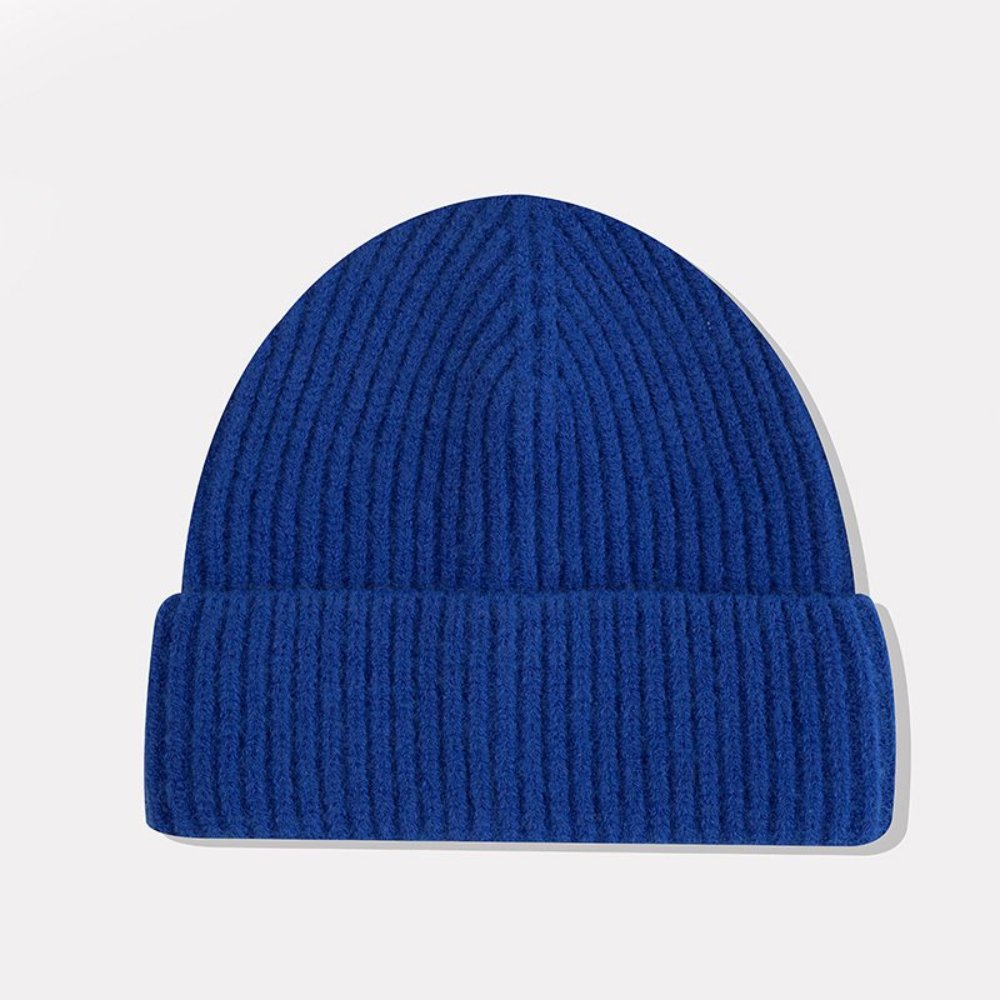
Official product identification reference. Obtain care instructions for the offered finished cap; its appearance does not establish washing or drying settings.
Start with the offered finished cap
Yingteng lists a knit product named Drawstring Cap and states a partial acrylic material declaration. The official images identify a blue knit-cap reference and a catalogue colour presentation. Those facts identify the enquiry; they do not provide a complete care instruction or establish that a general acrylic-care suggestion applies to this finished garment.
For wholesale knit hat orders, request the supplier’s style reference and offered variant alongside the care information. A material change, finish change or other construction revision can affect the scope of the supplier’s recommendation. Ask what version its instructions actually cover instead of assuming that similar-looking caps share one care specification.
Completing the fibre declaration remains a separate purchasing question. The care request should reference that confirmed material information once available, while asking the supplier what else supports its finished-item guidance. A percentage in a catalogue field is not a substitute for an identified instruction source.
Buying field
Requested supplier response
Finished-item identity
Offered Drawstring Cap style, variant and sample reference.
Instruction source
Supplier document or other supporting reference and its stated scope.
Care wording
Proposed finished-cap washing, drying and other applicable instruction text.
Label presentation
Supplier-proposed wording or artwork, format and attachment location.
Review responsibility
Who confirms the instruction meaning and the intended customer-facing version.
Version control
Approved copy, product linkage and changes that require renewed confirmation.
Request the instruction source, not a guessed care method
Ask the supplier to provide its recommended instructions for the offered finished cap and identify the document or evaluation supporting them. Clarify whether the recommendation concerns the complete cap or only a material used in it. The answer should state its limits without leaving the buyer to combine unrelated catalogue claims.
If the supplier proposes a washing or drying instruction, retain the exact wording and ask any questions needed to understand it. This guide does not supply temperatures, cycle settings, detergents or drying procedures. It also does not treat an illustration or a generic fibre article as a finished-product test report.
Where supporting information is unavailable, record that gap and ask what the supplier can provide before the buyer approves customer-facing care copy. The buyer can decide what further review is appropriate to its order. Missing information should remain visible rather than becoming a confident instruction added by the content writer.
Official upright reference for the listed knit cap. Confirm the garment version and supplier-supported care copy rather than deriving it from the photograph.
Define the proposed label and its product linkage
Request the supplier’s proposed label text or artwork together with its product reference. If a care label, hangtag or packing insert is offered, ask which item carries the instructions and whether the quotation includes it. Do not infer an included label or its position from a product photograph that does not show it.
Separate instruction meaning from layout approval. A buyer may confirm that artwork is readable while the supplier still needs to confirm the technical scope of the care wording. Keep those decisions identifiable so that an attractive design is not mistaken for approval of an unverified care method.
If symbols or additional languages are proposed, identify the version and the reviewer responsible for confirming the intended meaning. This article does not choose a market-specific symbol system or make a compliance declaration. The practical task is to prevent unreviewed translation or artwork changes from altering the supplier-supported instruction.
Compare the sample, document and offered version
Ask the supplier to link the instruction document to the actual offered sample. Retain the sample identifier, product description and any relevant material or construction reference with the proposed care copy. The buyer should be able to tell which cap the document is intended to cover.
A catalogue colour board is an identification aid, not confirmation that every pictured variant is currently offered or covered by the same instruction. If several versions are quoted, ask the supplier to state the coverage explicitly. Do not create a common care rule merely because the photographs share a knit appearance.
When an order sample or specification is revised, ask whether the care instructions remain applicable and request an identified response. A changed supplier reference should not silently inherit older artwork. Preserve the previous approval as history while identifying the version now proposed for the order.
Official catalogue colour presentation. Confirm the offered variant and care-information scope; the board does not establish current stock or a mandatory assortment.
Release a clear care-copy record to purchasing
Keep the accepted wording, label presentation and supplier source together. Record the decision scope and any questions still open. The supplier and buyer should know whether approval concerns instruction content, artwork, supplied-label inclusion or a combination of those matters.
Provide the approved reference to the people handling purchase orders, packing and product information. They need a usable way to identify the current version and raise a mismatch. This communication step does not independently establish care performance or guarantee that a cap will retain a particular appearance after use.
For later amendments, identify what changed and ask the appropriate reviewer to confirm the revised scope. Avoid mixing the old text with a new material version or an unreviewed translation. An orderly reference makes the supplier’s actual information easier to use without inventing a care standard.
Buyer FAQ
Can care settings be inferred from the acrylic percentage?
No. The reviewed declaration is partial, and a fibre statement does not establish the supplier-supported care instructions for the offered finished cap.
Does the product photograph confirm a supplied care label?
No. Ask which label or insert is offered, what the quotation includes and where the instruction is intended to appear.
Should the buyer create missing washing instructions?
Request the supplier’s supported recommendation and supporting scope first. Keep an information gap visible instead of inventing a procedure.
Does artwork approval confirm the instruction itself?
Those are separate decisions. Identify who confirms the wording and its product scope as well as who approves the presentation.
What should the order file retain?
Keep the finished-cap reference, instruction source, approved copy or artwork, sample linkage and stated decision scope together.
Use the actual Drawstring Cap reference and request the supplier’s care-label information. See the knitwear blog for related purchasing topics.
Identify the finished cap and supplier instruction source.
Review the proposed wording and label scope separately.
Link the approved version to the sample and order.
wholesale knit hatsB2B supplier sample record