Beanie Size RFQs: Define the Opening Measurement
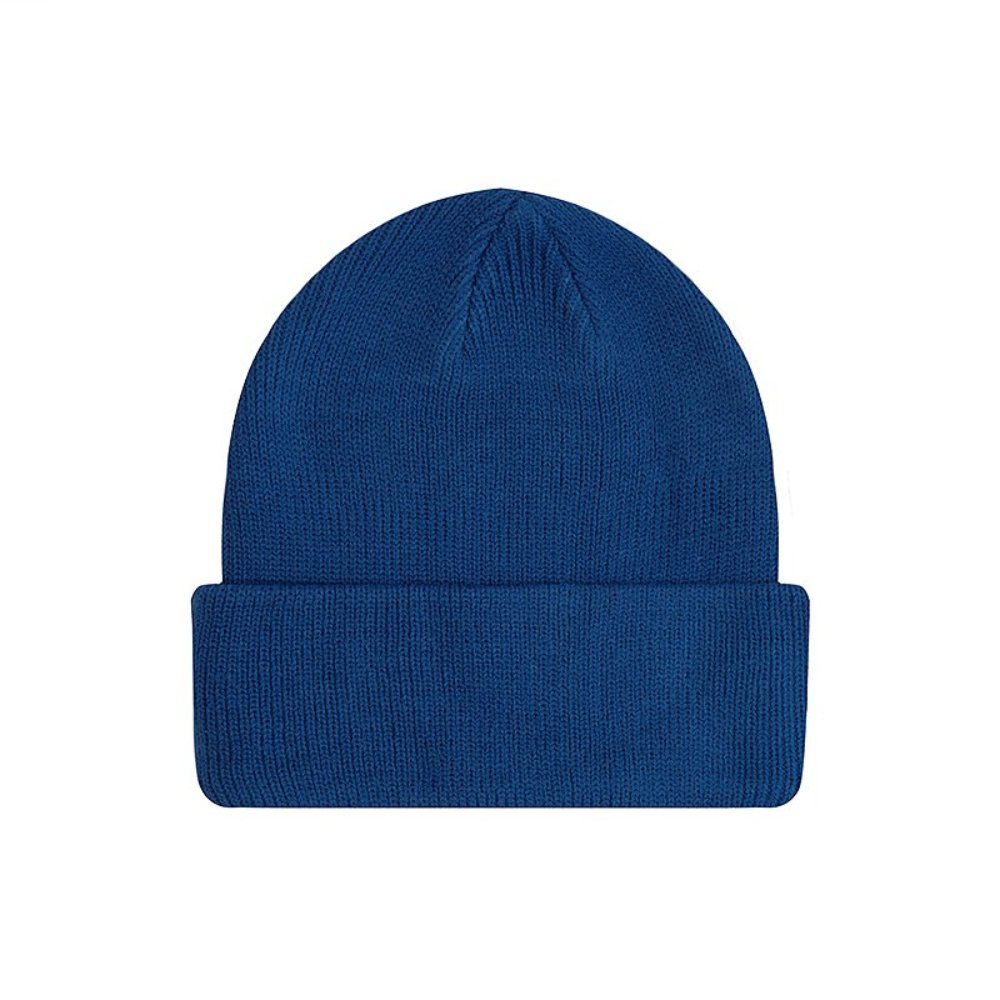
Blue Double-layered cap catalogue reference with a folded cuff. The photograph identifies the style, not a measured opening or wearer size.
For a beanie size enquiry, ask the supplier to define the opening measurement rather than infer fit from packaging dimensions or a catalogue photograph. Identify whether the requested figure is a laid-flat opening width, an opening circumference or a proposed wearer head-size range. Keep the cuff position and sample condition with the answer so purchasing can compare the same type of measurement.
Yingteng’s Double-layered cap page lists 100% acrylic, packaging dimensions of 24*26cm and a weight entry of 94g. It does not provide a head-opening size sheet. For wholesale knit hats, that creates a clear procurement question: what garment dimensions describe the exact cap version being offered, and how were those dimensions recorded?
Keep packaging data outside the garment size fields
Link the Double-layered cap product page in the RFQ. Retain 24*26 under its original packaging-dimensions heading. Do not move either number into an opening-width, hat-height or head-circumference field. Ask for a separate garment measurement sheet with the supplier’s proposed size description.
Use the product reference and selected catalogue appearance to identify the requested sample. The gallery includes folded-cuff cap presentations in different colours. Name the offered version and its sample identifier before discussing measurements, so that a response about one physical cap is not silently applied to every pictured version.
Distinguish width, circumference and wearer range
A laid-flat opening width is measured across a defined part of the garment in a stated condition. An opening circumference refers to a distance around an identified opening edge. A proposed wearer head-size range describes a separate application question. Ask the supplier which of these fields it is providing instead of accepting one number labelled simply “size.”
Keep the supplier’s original measurement description. Do not automatically turn a flat width into a guaranteed wearer circumference or fit range. If a dimensional conversion is proposed, ask the supplier to explain its basis and retain it as a separate statement. The purchasing comparison should show what was measured and what wearer application is being proposed.
Size field
Reference to define
Supplier answer requested
Laid-flat opening width
Named points across the opening
Dimension, unit and sample condition
Opening circumference
Identified edge and measuring path
Dimension and method used
Cuff position
Folded or unfolded reference
Position represented by the size sheet
Proposed wearer range
Intended head-size application
Supplier proposal and its supporting basis
Black version in the same cap gallery. Keep cuff position and measurement conditions explicit when requesting a sample size sheet.
State the cuff position and measurement condition
Ask the supplier to show the cuff position used for the measurement. A folded-cuff catalogue view helps identify the appearance, but it does not define the fold depth or the measuring path. Retain a marked photograph or simple outline with the dimension points so later reviewers can use the same reference.
Specify whether the requested garment measurement is relaxed or taken under another expressly agreed condition. If a stretched dimension is supplied, ask for the method and conditions instead of treating it as equivalent to a relaxed value. Keep these entries separate; an unexplained stretch figure should not become a universal fit statement.
Compare the selected sample on a consistent basis
Request a size sheet tied to the offered physical sample, with the product reference, sample identifier and measurement date. Keep the unit visible on every dimension. If the supplier proposes a size description that differs from the buyer’s request, record both descriptions and ask which garment reference supports the proposal.
Use the same opening points and cuff position for comparisons.
Retain relaxed and separately defined stretched measurements in different fields.
Link any proposed wearer range to the supplier’s stated basis.
The page’s 100% acrylic declaration identifies a material statement, not a measured opening, elastic-recovery result or fit guarantee. Keep material verification and any required wearing evaluation separate from the size-sheet discussion. This allows purchasing to resolve a basic dimensional question without making performance assumptions from fibre wording.
Carry the size reference into the offer
Ask the supplier to identify the agreed sample and measurement-sheet revision in the quotation or attached specification. If a different cuff construction or cap version is proposed, request an updated reference rather than applying the earlier measurements automatically. Keep requested changes and supplier-confirmed dimensions distinguishable.
Send the marked opening reference through the Yingteng enquiry channel. A useful reply provides the garment dimension, its measurement basis and the exact sample it describes, giving the buyer a concrete starting point for choosing the next sample or discussing an order.
Official cap-colour presentation. Different visible colours do not establish a common measured opening or a guaranteed fit range.
FAQ
Are the listed 24*26cm figures a head-size range?
No. The page labels them packaging dimensions. Request separate garment-opening measurements and any proposed wearer range.
Is a flat opening width the same as head circumference?
They are different fields. Keep the measuring points and conditions explicit, and ask the supplier to explain any proposed relationship.
Should the cuff be folded for measurement?
Agree the reference position with the supplier and record it on the size sheet. The important point is consistent, clearly named conditions.
What should accompany the size-sheet reply?
Keep the exact cap version, sample identifier, opening points, cuff position, unit and measurement conditions together.
Wholesale Knit HatsBeanie Opening SizeSample Measurements